Chinese and Japanese embroidery machines dominate the commercial embroidery industry, but the differences between them are often misunderstood. Quality isn’t determined by the country alone. It comes from engineering style, component sourcing, build precision, and long‑term reliability.
This guide breaks down the real technical differences between Chinese and Japanese embroidery machines, using verified industry comparisons and reputable brand data. If you’re considering embroidery for your business or outsourcing production, understanding these differences will help you make a smarter decision.
Engineering philosophy differences
Japanese manufacturers
Japanese embroidery machine brands are known for precision engineering, long‑term durability, and consistent stitch performance. Their machines are typically built for industrial use and high‑volume production.
Leading Japanese brands include:
Tajima
Barudan
Juki
Happy Japan
These brands focus on:
Tight mechanical tolerances
High‑grade components
Long‑term reliability
Strong global support networks
Reference:
Tajima vs Barudan vs Juki comparison (saembroidery.com in Bing)
Chinese manufacturers
Chinese embroidery machines have advanced rapidly over the last decade. Many brands now offer competitive performance at lower entry prices, making them ideal for new businesses and mid‑scale shops.
Common Chinese or China‑manufactured brands include:
Ricoma
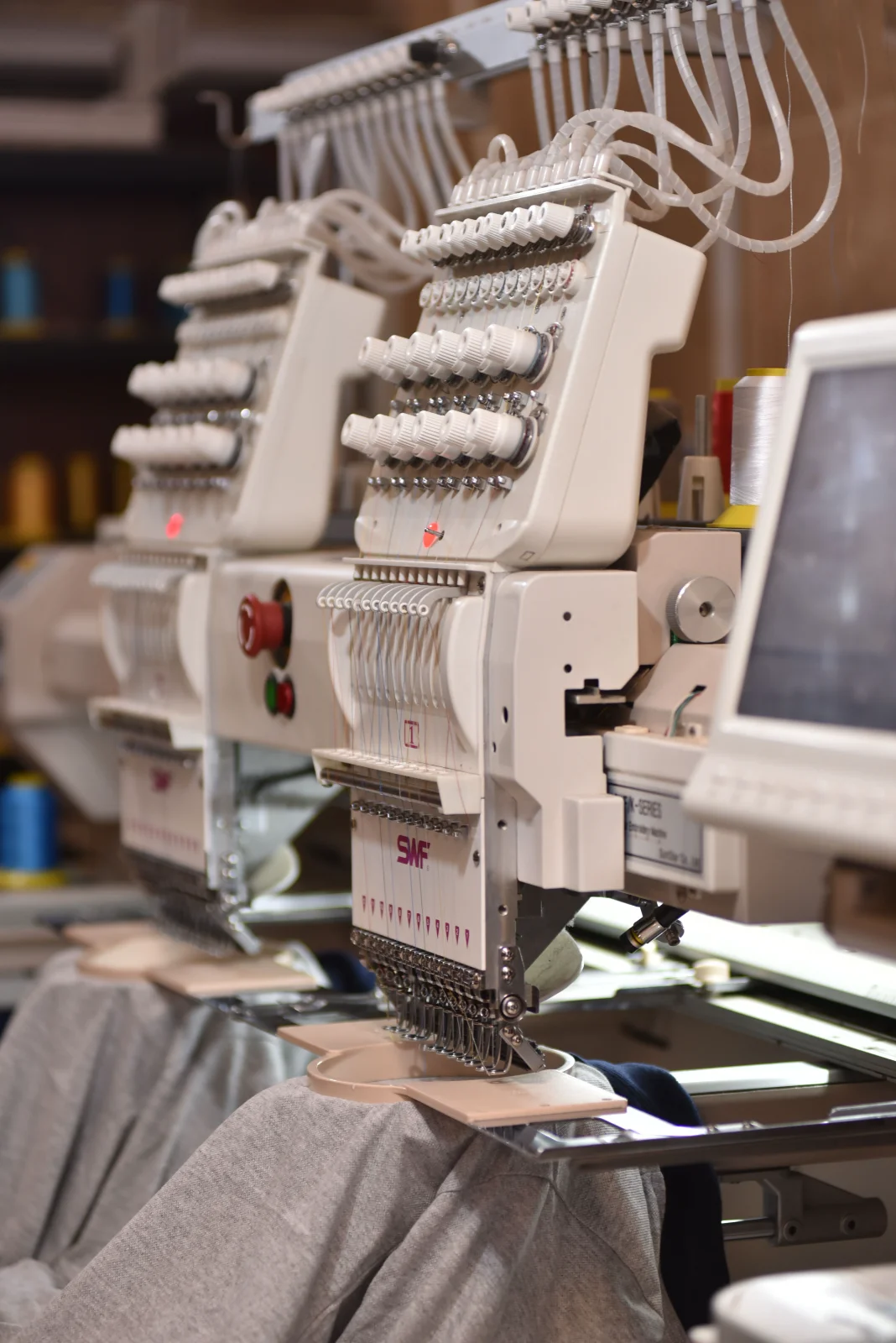
Some SWF production lines
Various OEM manufacturers
Chinese machines typically focus on:
Affordability
Faster innovation cycles
Broad feature sets
Accessible entry‑level pricing
Reference:
Multi‑brand comparison including Ricoma, SWF, Tajima, ZSK (commercialembroidery.com in Bing)
Quality comparison
Cost comparison
Chinese machines are ideal for
New embroidery businesses
Mid‑scale shops expanding capacity
Budget‑conscious buyers
Flexible production environments
Businesses needing fast ROI
Should you choose Chinese or Japanese
The right choice depends on your workload, budget, and quality expectations. Japanese machines excel in precision and long‑term durability. Chinese machines offer strong value and modern features at lower entry prices.
If you’re outsourcing embroidery instead of buying a machine, QuickeeTee.store can handle both high‑precision and high‑volume embroidery work. You can request a custom embroidery quote here:
https://quickeetee.store/quote
Final thoughts
Comparing Chinese and Japanese embroidery machines isn’t about deciding which country is better. It’s about understanding engineering styles, long‑term reliability, and the type of work each machine is designed for. Japanese machines lead in precision and durability, while Chinese machines offer affordability and rapid innovation.
Choosing the right machine or the right embroidery partner depends on your production goals, not the flag on the label.